What time are you allowed to start mowing your lawn in NSW in Albury?
What time are you allowed to start mowing your lawn in NSW in Albury? Check weekday, Saturday, Sunday and public holiday hours and noise rules.
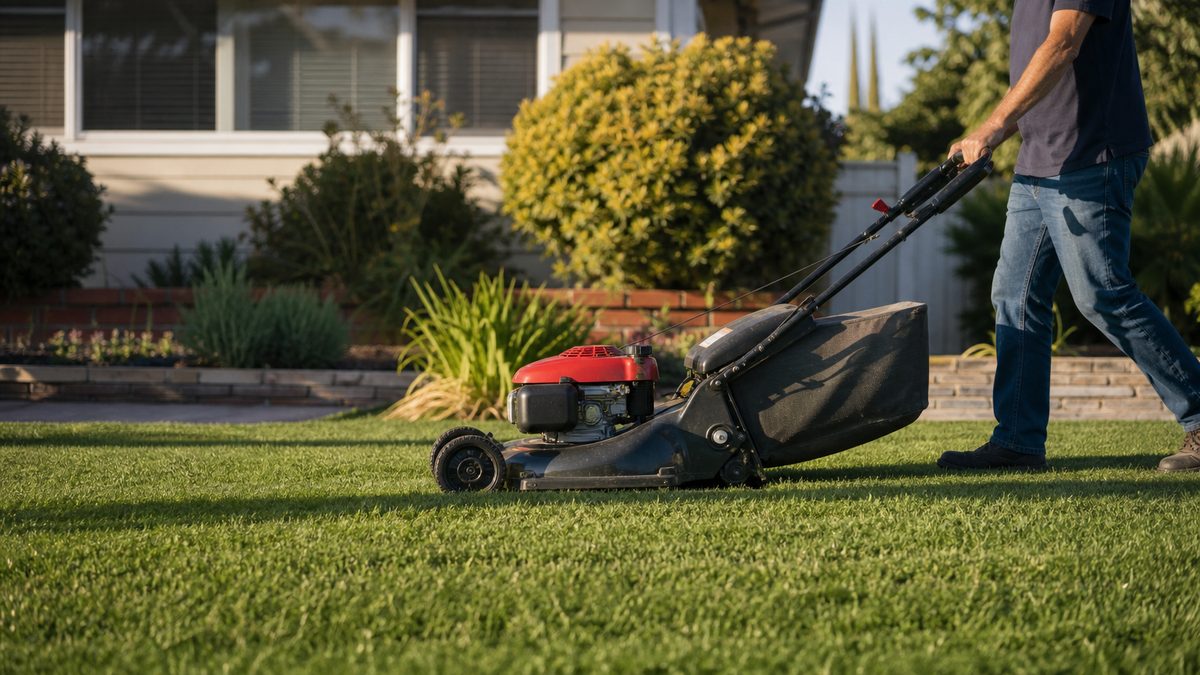
In Albury, you may generally start mowing at 7am on weekdays and Saturdays. On Sundays and public holidays, wait until 8am. NSW residential noise rules restrict lawn mowers and other powered garden equipment during the following hours:
- Monday to Friday: Do not use a lawn mower before 7am or after 8pm.
- Saturday: Do not use a lawn mower before 7am or after 8pm.
- Sunday: Do not use a lawn mower before 8am or after 8pm.
- Public holidays: Do not use a lawn mower before 8am or after 8pm.
These are prohibited hours for residential power tools and garden equipment under NSW noise rules. They cover petrol mowers, electric mowers and other powered equipment used on residential property. If a public holiday falls on a weekday or Saturday, use the public holiday start time of 8am.
The fact that you can legally start at a set time does not give you an unlimited right to make noise. A mower may still cause a problem if its noise is excessive, lasts for an unreasonable period or keeps recurring. This article gives general guidance. For a dispute or a legal reading of the rules, check the current NSW Government guidance and contact AlburyCity for advice that fits the situation.
Which start time applies on each type of day?
The day on the calendar decides the earliest start. Regular weekdays and Saturdays share the 7am start. Sundays and public holidays have the later 8am start.
The public holiday rule can catch people out. A Monday may usually allow mowing from 7am, but an official public holiday on that Monday moves the start to 8am. The safer approach is to check whether the day has public holiday status before starting early.
The restriction applies to the use of the mower, not the time you enter the garden or prepare the job. You can move outdoor furniture, pick up branches and inspect the lawn without running powered equipment. Start the mower only when the permitted period begins.
Finishing time matters too. Lawn mower use should stop by 8pm on every day covered by this schedule. Starting at 7:55pm does not create a new period in which the mower can keep running. The equipment needs to be off when the restricted period begins.
A phone clock is a better guide than guessing from sunrise. Daylight does not change the stated equipment hours. Bright summer light before 7am does not make an earlier weekday start lawful, while darkness in the evening does not move the 8pm limit forward.
Free guide
The 4-Week Starter Plan
Three short sessions a week, written out exercise by exercise, so you know exactly what to do from day one.
Send me the free planWhy can mower noise still be a problem during permitted hours?
Equipment-hour rules set the periods when certain machines must not be heard in neighbouring homes. They do not make every use outside those hours reasonable.
Noise control also considers how sound affects nearby properties. Volume, pitch, duration and repetition can all shape that impact. A maintained mower used for one ordinary lawn is different from a damaged machine that rattles for a long period beside a bedroom window.
The position of the mower matters in real life. Sound from a front lawn may spread into the street, while noise in a narrow side passage can bounce between walls. A small change in where you start can reduce the disturbance without delaying the job.
A hypothetical example makes the distinction clear. A resident starts mowing at 7am on a Tuesday, which is outside the prohibited equipment hours. The mower has a loose metal guard and is left running while the resident clears toys from the yard. The start time may comply, but the added rattling and unnecessary idling can still lead to a reasonable complaint about the way the equipment is being used.
Keep the mowing session focused. Clear the lawn before turning the mower on. Avoid leaving the motor running during long pauses. Fix damaged guards, bearings or exhaust parts that create extra sound. These steps lower the impact and help finish the work sooner.
Repeated short bursts can also frustrate neighbours. If a mower is started, stopped and restarted across much of the day, the total disturbance may feel greater than one planned session. Prepare first, mow the lawn, then switch the machine off.
When is a legal start still too early for your neighbours?
The legal minimum and the neighbour-friendly choice are different. Starting at 7am on a weekday or Saturday may comply with the stated equipment hours. Waiting until later can still be the wiser choice when there is no need to begin at the first permitted minute.
Nearby bedrooms are the main practical concern. Albury homes can have side paths, small setbacks or bedroom windows close to a boundary. A mower operating a few metres away can be far more intrusive than one used on a large block with more space between homes.
Shift workers may sleep during the morning. Families may have a baby settling after an unsettled night. An older neighbour may spend more time at home. These facts do not create a new legal timetable, but they can guide a considerate choice.
There is no universal rule that 9am is always considerate or always necessary. Courtesy depends on the property, the people nearby and the length of the work. The useful question is whether waiting a little longer would prevent a predictable disturbance without causing a real problem for you.
If the lawn will take longer than usual, tell close neighbours beforehand. A simple message gives them time to close a window or move a morning activity. Notice is especially useful when you plan to use several powered tools after mowing.
Do not present a personal preference as law. A neighbour may prefer that mowing begin after 10am, but that request does not replace NSW equipment hours. At the same time, meeting a reasonable request can protect the relationship between people who live beside each other for years.
A good practical rule is to choose the later time when your schedule allows it. Use the first legal minute when you genuinely need it, then keep the job short and controlled.
What changes on Sundays and public holidays?
The permitted start moves from 7am to 8am. The evening cut-off remains 8pm. This later morning start recognises that people often expect less residential equipment noise on Sundays and public holidays.
Public holidays should be treated separately from ordinary weekdays and Saturdays. If the date is an official public holiday in NSW, wait until 8am even when that day would normally have a 7am start.
Private property rules may add another layer. A strata scheme, retirement community, rental agreement or managed housing complex may have rules about garden work and shared outdoor areas. Those conditions are separate from NSW noise regulation. They may set booking rules or narrower working periods, but they should not be described as statewide law.
Tenants should also check who is responsible for lawn care before arranging regular mowing. That question concerns the lease rather than the permitted noise hours. It does not change the NSW start time, but it may decide who should organise the work.
If two rules appear to apply, follow the later lawful start. For example, if NSW rules allow mowing from 8am but valid property rules permit garden equipment only from 9am, waiting until 9am avoids breaching the property rule. Ask the property manager or strata manager for the written condition if there is disagreement about what it says.
Before your first session, check you have:
- ✓A clear goal you can measure
- ✓Two or three set training times a week
- ✓Any injuries or health notes written down
- ✓Comfortable shoes and a water bottle
Do battery and manual mowers follow the same restrictions?
The NSW restrictions focus on powered garden equipment that can be heard inside a neighbouring residence. A quieter battery mower does not receive a blanket exemption simply because it lacks a petrol engine. If powered equipment produces audible noise across the boundary during prohibited hours, the same caution applies.
Electric and battery machines can reduce engine noise, but blades, wheels and loose parts still create sound. The surface also matters. A mower crossing a concrete edge may create a sharp noise even when its motor is quiet.
A manual push mower has no motor, so it does not fit the powered mower category in the same way. That does not mean any level of manual activity is acceptable at any hour. Banging the mower against edging, emptying a catcher beside a neighbour's window or making other avoidable noise can still disturb people.
Do not test the rule by asking whether a mower can barely be heard. If you want to work before the permitted start, do quiet preparation instead. Pick up sticks, move furniture and mark sprinkler heads. Save powered mowing for the allowed period.
How should you respond when a neighbour raises a concern?
Start with the exact concern. Ask which day, time and part of the mowing caused the problem. This separates a genuine timing issue from a complaint about duration, machine condition or the mower's position near the boundary.
If you began during prohibited hours, change the schedule. If the timing complied, look for an easy way to reduce the impact. You might begin on the section farthest from the neighbour, close a side gate that amplifies sound or avoid idling beside their home.
Keep the conversation factual. Do not treat a permitted start time as a reason to dismiss the concern. Do not accept a neighbour's preferred time as a legal rule without checking it. The goal is a workable routine based on the real regulation and the layout of the properties.
A hypothetical example is a Saturday mow planned for 7am beside a neighbour's bedroom. The start time is generally permitted, but the resident can mow the rear section first and leave the boundary strip until later. That small change respects the neighbour without turning a courtesy choice into a claim about the law.
What can you do about repeated mower noise nearby?
First confirm the applicable day and time. Write down the date, when the mower started, when it stopped and where the noise appeared to come from. Accurate notes are more useful than estimates made several days later.
Keep mower noise separate from other sounds. A record that mixes music, dogs, vehicles and garden equipment makes the issue harder to assess. Note only what you directly heard. Avoid guessing why the person was mowing or claiming that they intended to cause distress.
Speak with the neighbour if it feels safe. They may not know how clearly the mower can be heard in your home. State the time and effect in plain terms. A request such as moving the regular Saturday start later is easier to act on than a broad accusation about constant noise.
If the problem continues, check the current noise information published by the NSW Government and AlburyCity. Use the complaint channel the authority names for residential equipment noise. Jurisdiction can vary with the source, timing and type of complaint, so confirm the pathway instead of relying on a page about parties or industrial sites.
Provide your factual record when asked. Do not assume that a complaint guarantees enforcement or a set outcome. The authority may need details about the equipment, frequency and effect before deciding what action is available.
If the dispute includes threats, personal safety, tenancy action or a demand for compensation, seek advice suited to that issue. A lawn mower timetable does not answer those wider legal or safety questions.
Talk it through with a coach
A free 15-minute call to look at your goals and what would work for you. No pressure, no obligation.
How can you plan an early mow without causing trouble?
- Check whether the day is a weekday, Saturday, Sunday or NSW public holiday.
- Wait until 7am on weekdays and Saturdays, or 8am on Sundays and public holidays.
- Check any written strata, tenancy or managed-property rule that applies to the home.
- Prepare the lawn before starting the motor so the machine runs for the shortest useful period.
- Consider nearby bedrooms and choose a later start when doing so is practical.
- Stop the powered equipment by 8pm.
Use one decision rule: verify the day-specific start time, reduce the likely impact on neighbours, and use the current official local complaint pathway if repeated noise cannot be resolved.
Ready to get started?
Tell us what you want to achieve and we'll put together a plan that fits your week.
Get my plan Contact us